The Danish ‘Calm Home’ Reset - 5 Core Decisions
If you’re a high-performing person with a full calendar, your home can become the one place that still feels unfinished—because it requires decisions you don’t have time to make. Furniture, lighting, layout, storage, finishes. Each choice creates five more, and it feels like a never-ending tunnel you’re driving through.
In Danish interiors, calm is not achieved by doing more. It’s achieved by removing friction: fewer decisions, clearer function, and a cohesive direction that makes the home feel effortless. This is the “calm reset” I use with my clients who want a home that feels considered—without having to manage the process themselves.
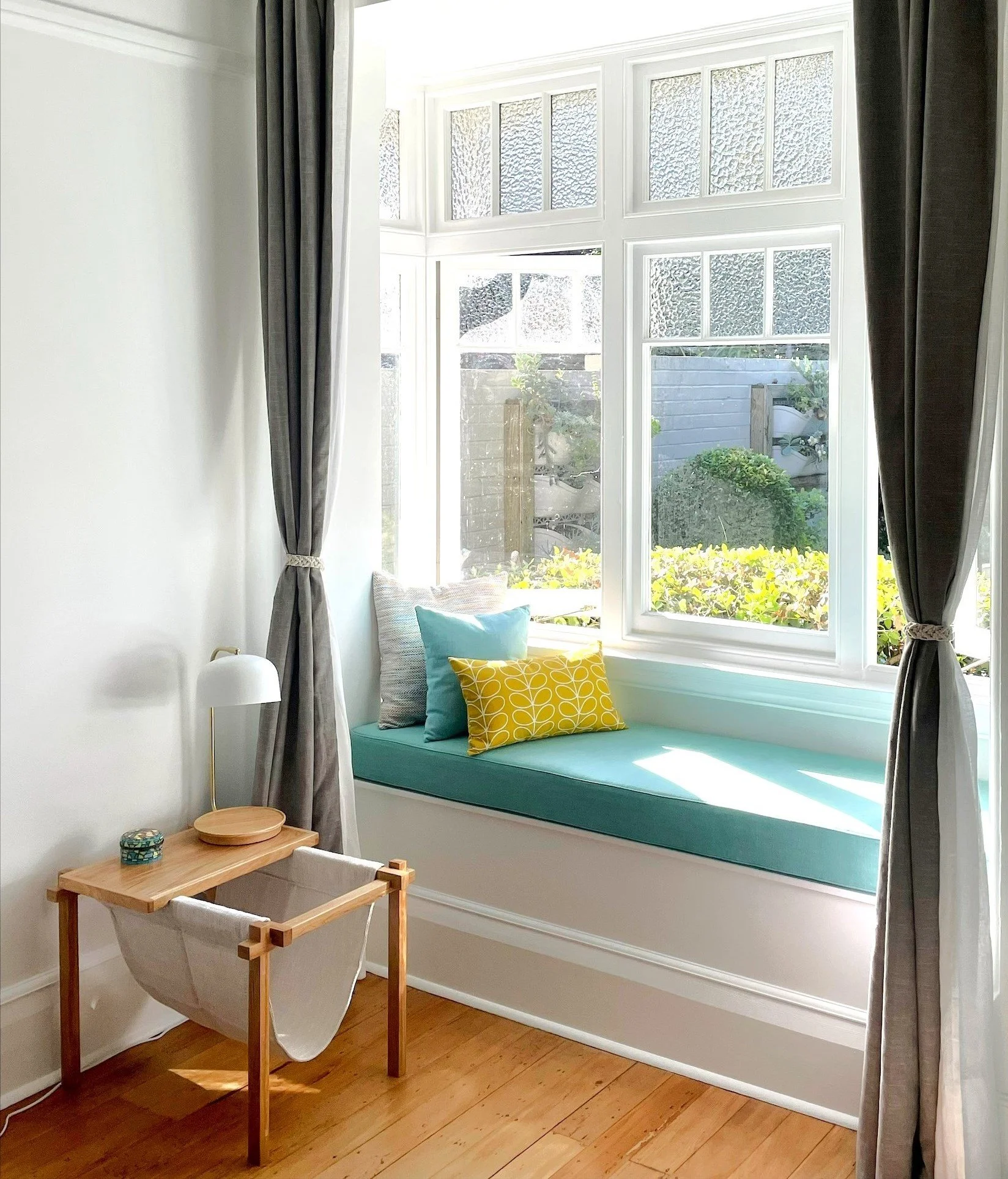
Mosman Project
What “calm” means in Danish design (and why it matters)
A calm home is visually quiet. This means your eyes aren’t constantly negotiating competing colours, materials, and objects. I have SO much respect for people who balance maximalist designs, but it’s just not my thing. I want the eyes to calmly rest on every element. I often imagine it like a little maze, and we want to have time to explore everything that’s around the next corner.
Functionality obviously goes hand in hand with the calm vibes. No one feels calm OR practical if there’s nowhere for your guests to hang their coats and put their shoes, as they walk through the door. It creates clutter and awkward ‘let’s just leave them here in the guest bedroom’ moments. Everything needs to have a dedicated space - and that space, of course, depends on how you live your life. Obviously, if you NEVER have guests over, no one will complain about their coats not having a spot ;)
Finally, we want interest but consistency. You know that feeling when you walk into a room, and everything feels smooth, well-considered EXCEPT that ugly vase in the corner, which was clearly inherited from someone, but definitely doesn’t match the rest of the decor? That’s a reflection of poor (or non-existing) design decisions. I often get asked if I even do those tiny details like decor when I provide refurbishment projects, and I always say “of course!” How else can I guarantee the design will feel complete? This is also why I always ask if there IS some kind of invaluable treasure we have to make the design work around - because most of us have something that is a little bit different, but incredibly sentimental.
So simply put, the outcome of Danish design isn’t minimalism. It’s ease. And there are 5 decisions that are fundamental to that feeling of ease:
The five decisions that create calm quickly
When clients come to me saying, “We just want it to feel at ease, when we come home from work,” I rarely need to redesign everything. What we need is to make a small number of high-leverage decisions - and do them properly.
1) A clear design direction, so every choice becomes easier
Calm starts with a tight palette and a defined material story. Once this is set, it prevents the endless loop of second-guessing.
How I handle it: When I submit my proposal for a new client, I always include a vision board. It gives them a good understanding of the feeling I want in their space and based on that and their feedback on the board, every decision throughout the full process is filtered through it.
2) The room’s “hero” pieces
A living room often feels unsettled because the key pieces are undersized, mismatched, or interim. I draw EVERYTHING up in SketchUp to ensure the dimensions feel right and there’s a good flow throughout each room.
How I handle it: I identify the heroes, which are typically the larger furniture items (sofa, bed frame, joinery) and lock them in first—then everything else becomes straightforward. But for every rule, there are, of course, exceptions. Perhaps we’ve found the most AMAZING pendant lights for the dining room, and we’ll simply have to work some magic to find a dining table that perfectly balances it out.
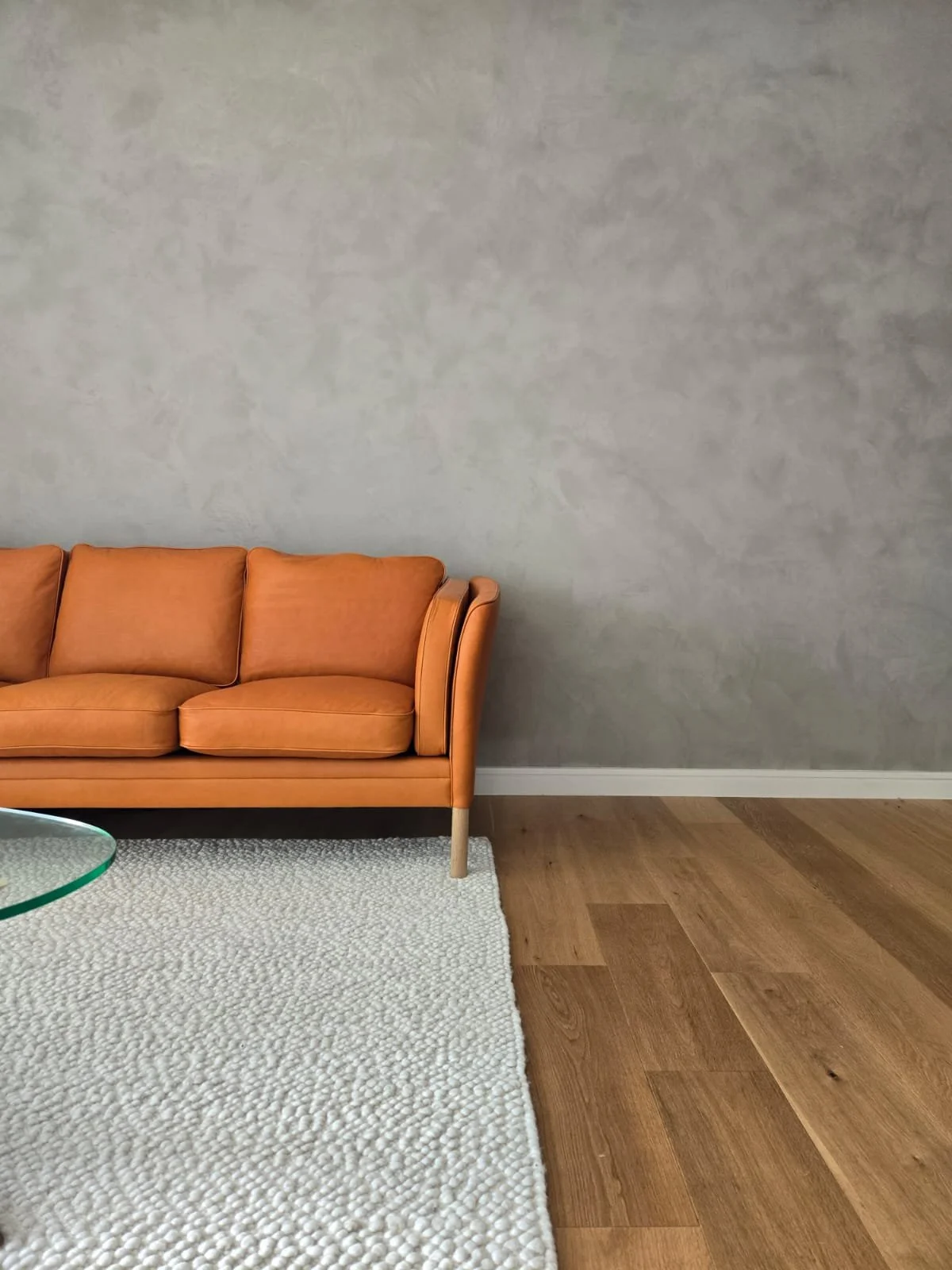
The Hero
In our Alexandria project, the fabulous orange Klassik Sofa is obviously the hero of the living area.
3) Lighting that supports your mood, and everything else
Many Sydney homes rely on downlighting. This comes, sadly, from a construction industry that often tries to minimize complexity. It works, but it doesn’t create warmth. In fact, the opposite. Because most homes have jarring, bright blue-white downlights throughout.
How I handle it: I design a layered lighting plan. That means lighting for tasks (like cooking, reading, etc) and for ambience (think cosy dinner parties, red wine on the sofa with your partner, or simply having to use the bathroom before bedtime but wanting to avoid blue lights). Part of my lighting plan is the fixtures that will not only work well but look great in the space - and I work with the most fabulous team of electricians, who help us think two steps ahead every time!
4) Storage - that closes!!
Open shelves look lovely in photos. In real life, most busy households need more closed storage and better “drop zones.” Whether it’s the hallway, kitchen, bedroom, or living space. Every room should have some kind of storage that you can close off (at least so you can pretend the mess behind the door doesn’t exist).
How I handle it: Almost every home I work on needs some kind of storage solution. Sometimes it’s custom joinery, other times finding a perfect china cabinet. It’s those cheeky things that interior designers do in their own homes to make them look clutter-free, and like we have everything put together.
5) The final edit and styling layer
As mentioned, it genuinely are those last 5% of a design that make a home feel complete. Some interior designers only provide renovation documentation, leave it with the builder to implement it and have the home staged for a photo shoot. But once the shoot is over and all the fabulous decor is packed up, an awkwardly half-empty home is left behind. I hear it way too often in the industry. In my opinion, decorating IS a part of the Interior Designer’s job, although not everyone likes it, I get that.
How I handle it: The design will always (unless specified otherwise) include that “final layer” of styling. This means artwork scale, window treatments, textiles and decor with a deliberate, edited finish—so it feels warm and lived-in, never staged.
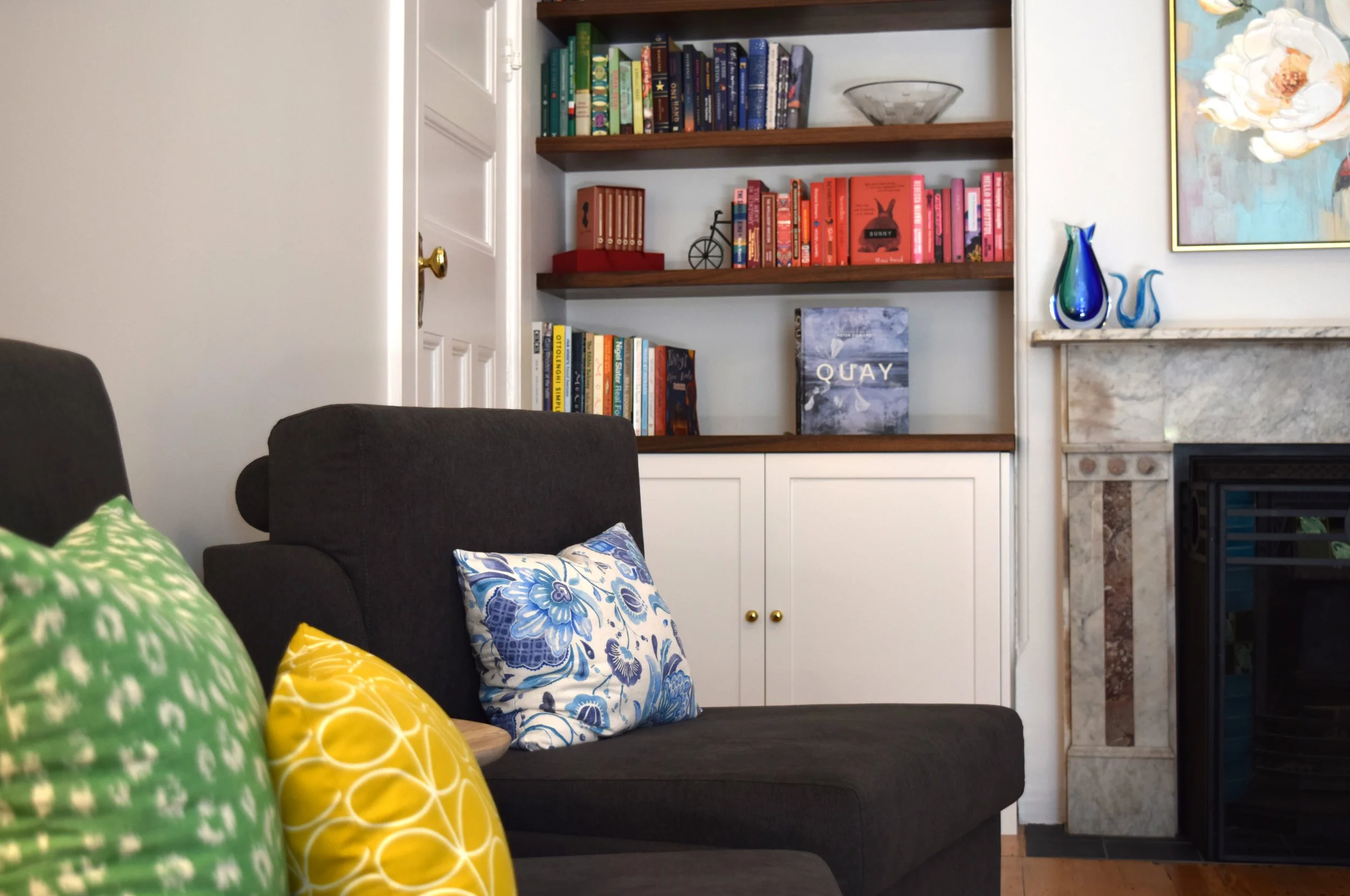
Mosman project
What working together looks like = low effort for you
Most (no, sorry, ALL!) of my clients want the same thing: a beautiful result, with minimal time spent making decisions.
A typical calm reset includes:
A short discovery to understand how you live and what’s not working
A clear concept direction (palette, materials, mood)
A curated selection of options for key decisions (not 40 choices—usually 2)
Ordering, coordination, trades, deliveries, and design management
Final styling so the home feels truly finished
Your role as my client is simply to approve the direction and the curated selections. So if you need some help making your home feel calmer, without wasting your time away, let me know.
Happy New Year!
x Nadia